About Oriface Flange
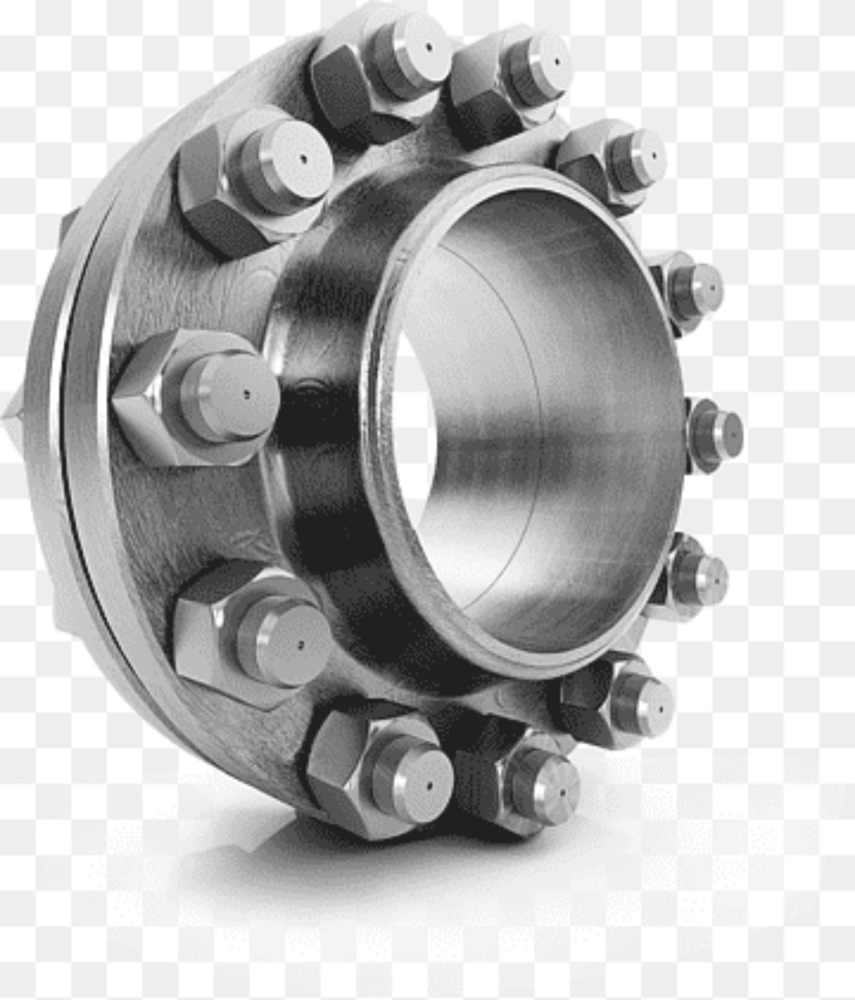
An Orifice Flange is intended for use instead of standard pipe Flanges when an orifice plate or flow nozzle must be installed.
Pairs of pressure tapings are machined into the Orifice Flange, making separate orifice carriers or tapings in the pipe wall unnecessary.
Orifice Flanges cover all standard sizes and ranges, and all common Flange materials.
Precision Flow Measurement SolutionOrifice flanges deliver reliable and highly accurate flow measurement for liquids, gases, steam, and chemicals. Their integral design with concentric or eccentric orifices, coupled with smooth machined finishes and exacting manufacturing standards, ensures optimal performance in critical oil & gas, petrochemical, and pipeline applications. Each unit is engineered to provide consistent pressure drop data, supporting high-level process automation and control.
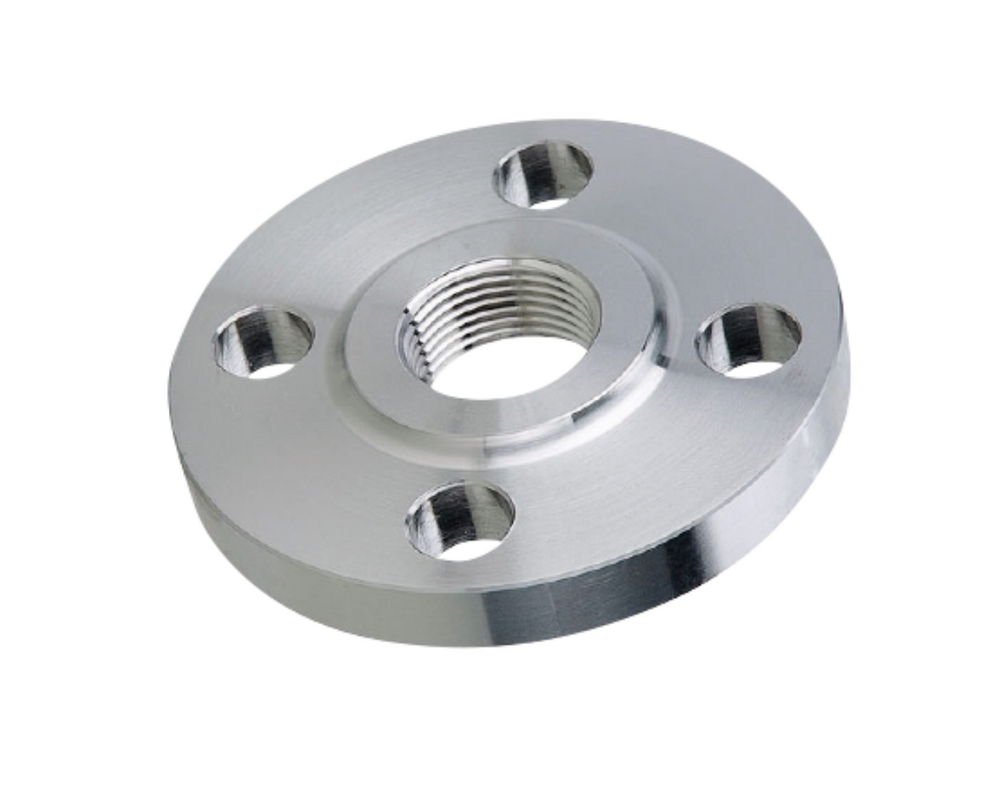
Versatile Construction and Superior MaterialsManufactured using forged carbon steel, stainless steel, or alloy steel, these orifice flanges accommodate demanding pressure ratings (Class 150 to 2500) and temperature conditions. With options for weld neck, slip-on, or threaded connections, and a rust-proof coating or polished surface, they resist corrosion and endure harsh environments. Compatibility with a wide range of standard gaskets ensures a secure, leak-proof assembly in every installation.
Compliant and Customizable for Global StandardsOrifice flanges conform to leading international standards including ANSI B16.36, ASME, EN, DIN, BS, JIS, and IS. Each product is custom-made to specific dimensional requirements, marked with traceable heat numbers, and controlled for hardness and dimensional tolerance. Rigorous hydrostatic and dimensional testing guarantees product integrity, making these flanges a dependable choice for both existing and new installations worldwide.
FAQ's of Oriface Flange:
Q: How are orifice flanges with integral orifices used in flow measurement?
A: Orifice flanges with integral orifices are installed in pipeline systems to measure fluid flow by creating a pressure drop as the medium passes through the orifice. The differential pressure generated across the orifice plate is used to calculate and monitor flow rates accurately.
Q: What makes these flanges compatible with different media like liquids, gases, steam, and chemicals?
A: These orifice flanges are crafted from high-purity carbon, stainless, or alloy steels and are available in various grades such as ASTM A105, A182 F304/F316, ensuring resistance to corrosion and chemical attack. Their robust construction, rust-proof coating, and smooth finish make them suitable for a wide range of process media.
Q: When should I select concentric versus eccentric orifice designs?
A: A concentric orifice is typically selected for clean, single-phase fluids, while an eccentric design is preferable when measuring fluids that may contain solids or entrained gas, as it helps prevent build-up or blockage at the orifice plate.
Q: Where are these orifice flanges most commonly installed?
A: Orifice flanges are widely installed in oil & gas pipelines, petrochemical facilities, power plants, and general industrial process lines where flow measurement, control, and pressure drop monitoring are required as per global standards.
Q: What is the process for ensuring orifice flange quality and accuracy?
A: Every orifice flange undergoes 100% hydrostatic and dimensional testing, with strict controls on hardness and tolerance as per standards. Marked with size, rating, material, and heat number for traceability, these inspections ensure reliable, leak-proof, and precise operation.
Q: How do orifice flanges benefit pipeline system operators?
A: Operators benefit from the high accuracy, durability, and leak-proof properties of these flanges, which facilitate process efficiency, accurate billing, and effective system management in critical flow applications across various industries.
Q: What mounting options are available for end connections?
A: These orifice flanges can be supplied with butt weld, slip-on, or threaded end connections, offering installation flexibility to match different pipeline configurations and requirements.






 Send Inquiry

 Send Inquiry
 Send Inquiry
 Send SMS
 Call Me Free


 English
 Spanish
 French
 German
 Italian
 Chinese (Simplified)
 Japanese
 Korean
 Arabic
 Portuguese